
A lush, green lawn is something every North Carolina homeowner wants, but keeping it healthy isn’t always easy. If you’ve noticed brown patches, thinning grass, or areas that seem to be dying despite regular watering, you’re not alone. Many homeowners across North Carolina face lawn problems caused by changing weather, pests, diseases, and improper lawn care practices.
The good news is that dying grass doesn’t always mean your lawn is beyond saving. Identifying the underlying cause early can help restore your lawn and prevent the problem from spreading.
In this guide, we’ll explain the most common reasons grass dies in North Carolina and what you can do to bring your lawn back to life.
1. Drought Stress and Heat Damage
North Carolina summers can be hot and humid, and prolonged periods without adequate rainfall can place significant stress on your lawn. Even warm-season grasses like Bermuda and Zoysia can struggle during extreme heat if they don’t receive enough moisture.
Signs of drought stress include:
- Brown or straw-colored grass
- Footprints that remain visible after walking on the lawn
- Dry, brittle grass blades
- Slow or uneven growth
How to fix it
Water your lawn deeply instead of watering every day. Aim for about one inch of water per week, including rainfall. Watering early in the morning helps reduce evaporation and gives the grass time to absorb moisture before temperatures rise.
2. Grub Damage
Grubs are one of the most common reasons healthy-looking lawns suddenly begin to die. These white larvae feed on grass roots, preventing your lawn from absorbing water and nutrients.
Signs of grub damage
- Irregular brown patches
- Grass that lifts easily like a loose carpet
- Increased activity from birds, raccoons, or moles digging in your yard
- Thin or weakened turf
How to fix it
Inspect the affected area by lifting a section of turf. If you find several grubs in a small area, professional grub control treatments can stop further damage and help your lawn recover.
3. Lawn Diseases
Warm temperatures combined with humidity create ideal conditions for fungal lawn diseases in North Carolina.
Some of the most common lawn diseases include:
- Brown Patch
- Dollar Spot
- Fairy Ring
- Rust Disease
Symptoms may include
- Circular brown patches
- Yellowing grass
- Thin or matted turf
- Mold or fungal growth during early mornings
How to fix it
Avoid watering late in the evening, improve air circulation by mowing properly, and apply the appropriate fungicide when necessary. A professional diagnosis can help identify the specific disease affecting your lawn.
4. Poor Soil Quality
Healthy grass starts with healthy soil. Compacted soil, nutrient deficiencies, or improper soil pH can all prevent grass from growing properly.
Common signs
- Slow growth
- Thin grass
- Uneven color
- Water pooling after rain
How to fix it
A soil test can reveal nutrient deficiencies and pH imbalances. Aeration helps loosen compacted soil, allowing water, oxygen, and nutrients to reach the roots more effectively. Fertilization based on soil test results promotes stronger, healthier turf.
5. Improper Mowing Practices
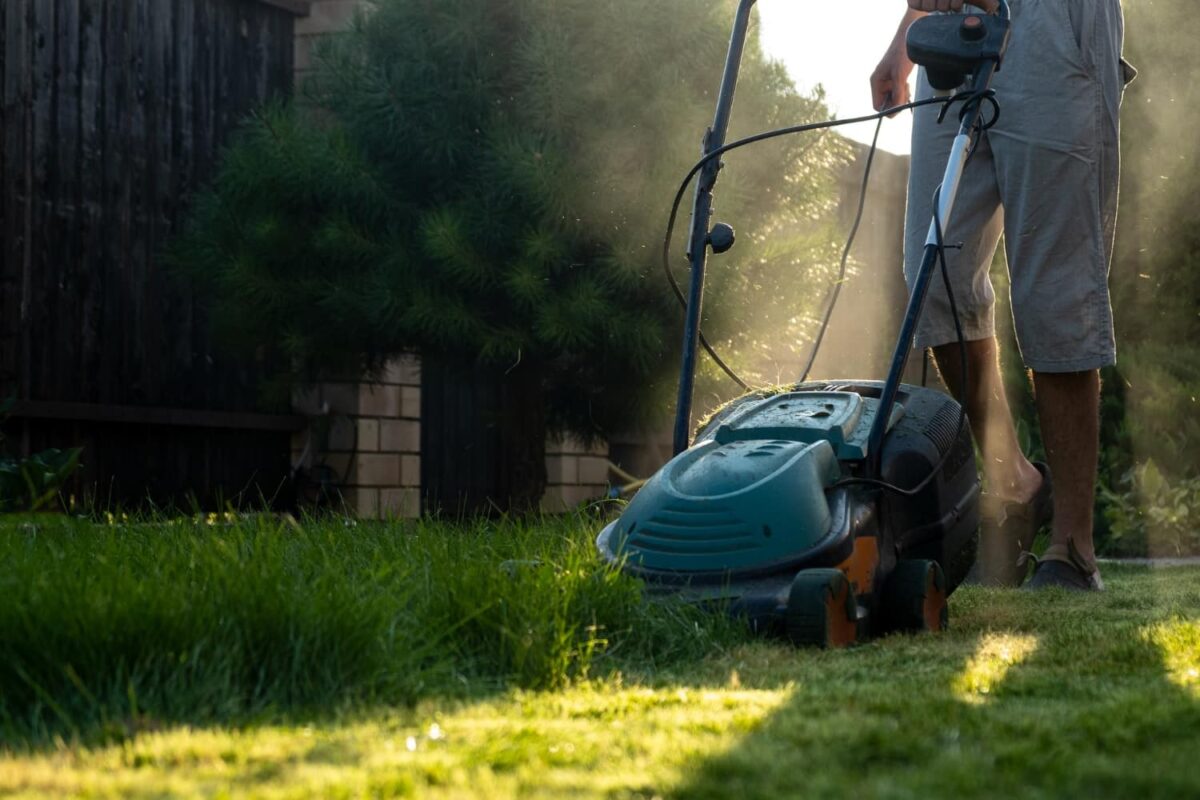
Many homeowners unknowingly damage their lawn by mowing too short.
Cutting grass too low weakens the root system, exposes soil to excessive heat, and encourages weed growth.
Best mowing practices
- Never remove more than one-third of the grass blade at a time.
- Keep mower blades sharp.
- Follow the recommended mowing height for your specific grass type.
- Leave grass clippings on the lawn whenever possible to return nutrients to the soil.
Proper mowing encourages thicker growth and improves your lawn’s ability to withstand drought and disease.

6. Weed Competition
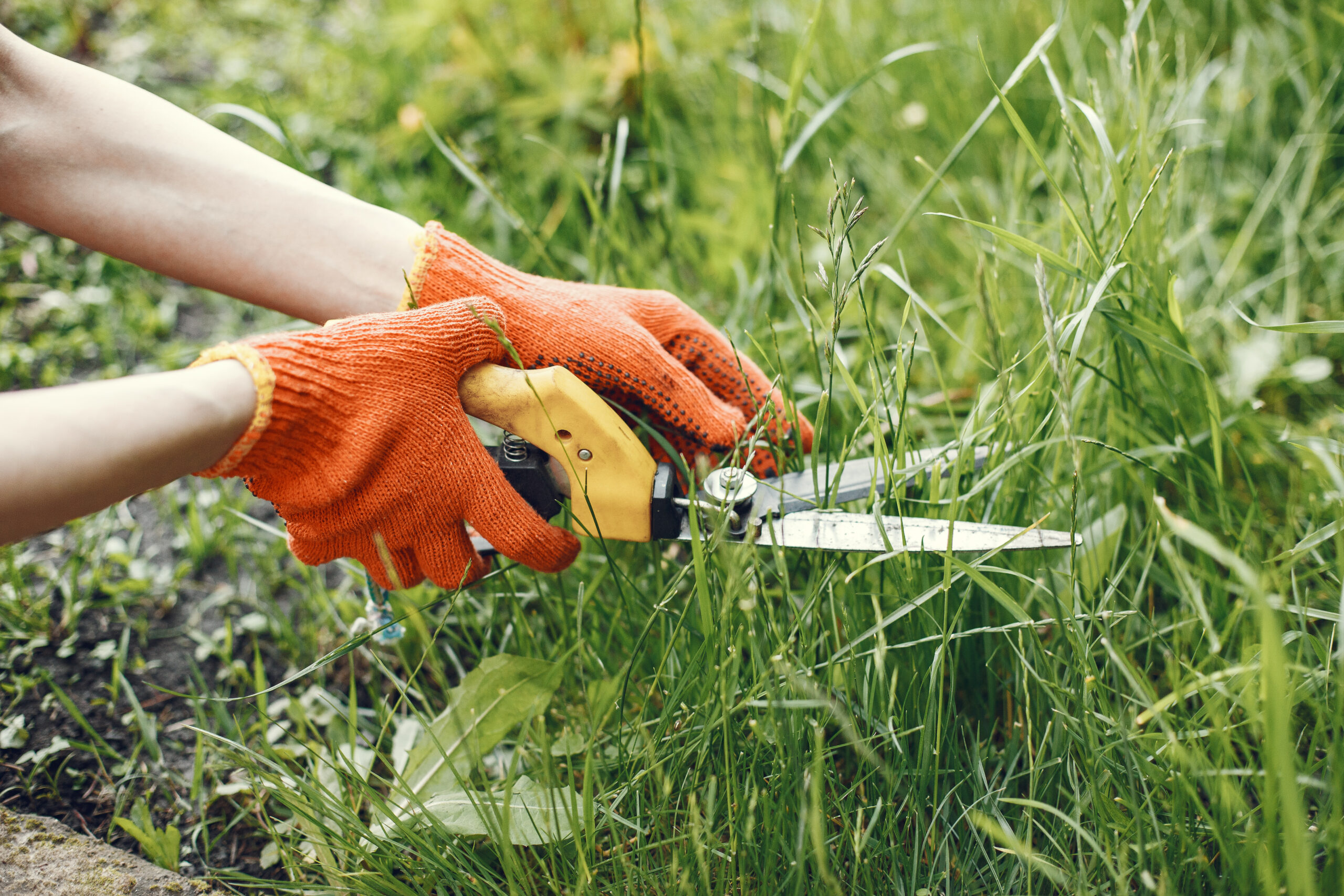
Weeds don’t just make your lawn look untidy. They compete directly with grass for water, nutrients, and sunlight.
Common North Carolina weeds include:
- Crabgrass
- Clover
- Dandelions
- Nutsedge
How to fix it
A healthy lawn naturally resists weeds. Regular fertilization, proper mowing, and timely weed control treatments help prevent weeds from taking over your yard.
7. Pet Damage
Dog urine contains high concentrations of nitrogen, which can burn grass and create yellow or brown spots.
How to reduce pet damage
- Water the area immediately after your dog urinates.
- Encourage pets to use a designated area.
- Keep your lawn healthy through regular fertilization and maintenance so it recovers more quickly.
8. Insect Infestations Beyond Grubs
While grubs receive most of the attention, other insects can also damage North Carolina lawns.
These include:
- Chinch bugs
- Armyworms
- Sod webworms
These pests feed on grass blades or roots, causing widespread damage if left untreated.
Professional inspections can identify the pest responsible and determine the most effective treatment.
9. Nutrient Deficiencies
Grass requires essential nutrients such as nitrogen, phosphorus, and potassium to remain healthy.
Without proper fertilization, lawns often become weak and more susceptible to drought, pests, and disease.
Signs of nutrient deficiencies
- Pale green or yellow grass
- Slow growth
- Thin turf
- Increased weed growth
A customized fertilization program provides your lawn with the nutrients it needs throughout the growing season.
How to Keep Your Lawn Healthy Year-Round

Preventing lawn damage is much easier than repairing it later. Consistent maintenance helps your grass stay strong through every season.
Here are a few simple ways to protect your lawn:
- Water deeply and consistently.
- Mow at the correct height.
- Fertilize based on your lawn’s needs.
- Aerate compacted soil regularly.
- Monitor for pests and diseases.
- Address brown patches before they spread.
Regular lawn inspections can catch problems early, saving you time and costly repairs.
When Should You Call a Lawn Care Professional?
If your lawn continues to decline despite proper watering and maintenance, the issue may be more complex than it appears. Many lawn problems look similar, making it difficult to determine whether you’re dealing with drought stress, disease, insect damage, or poor soil conditions.
A professional lawn evaluation can identify the root cause and recommend the right treatment plan, helping your lawn recover faster while preventing further damage.
Restore Your Lawn with Lawn Pro of the Carolinas
A dying lawn doesn’t have to become a permanent problem. Whether your grass is suffering from drought, grub damage, lawn disease, or nutrient deficiencies, taking action early can make all the difference.
At Lawn Pro of the Carolinas, we provide professional lawn care services designed specifically for North Carolina lawns. From fertilization and weed control to aeration, grub treatments, and seasonal lawn maintenance, our team creates customized solutions that help homeowners enjoy healthier, greener lawns throughout the year.
If your grass is turning brown or showing signs of decline, contact Lawn Pro of the Carolinas today and let our experts help bring your lawn back to life.