
Keeping your lawn healthy throughout the growing season requires regular maintenance and attention to changing weather conditions. Grass can become thin, develop brown patches, or struggle to grow when it does not receive the right care. Proper mowing, watering, fertilization, and weed control can help prevent common problems and keep your yard looking neat.
In Mooresville and surrounding North Carolina communities, seasonal changes can affect grass growth and soil moisture. Warm summers, rainfall, and cooler temperatures all influence how much care a lawn needs. Lawn Pro of the Carolinas understands that every property is different, and maintaining a healthy lawn starts with choosing the right approach for its conditions.
Mow Your Lawn at the Right Height
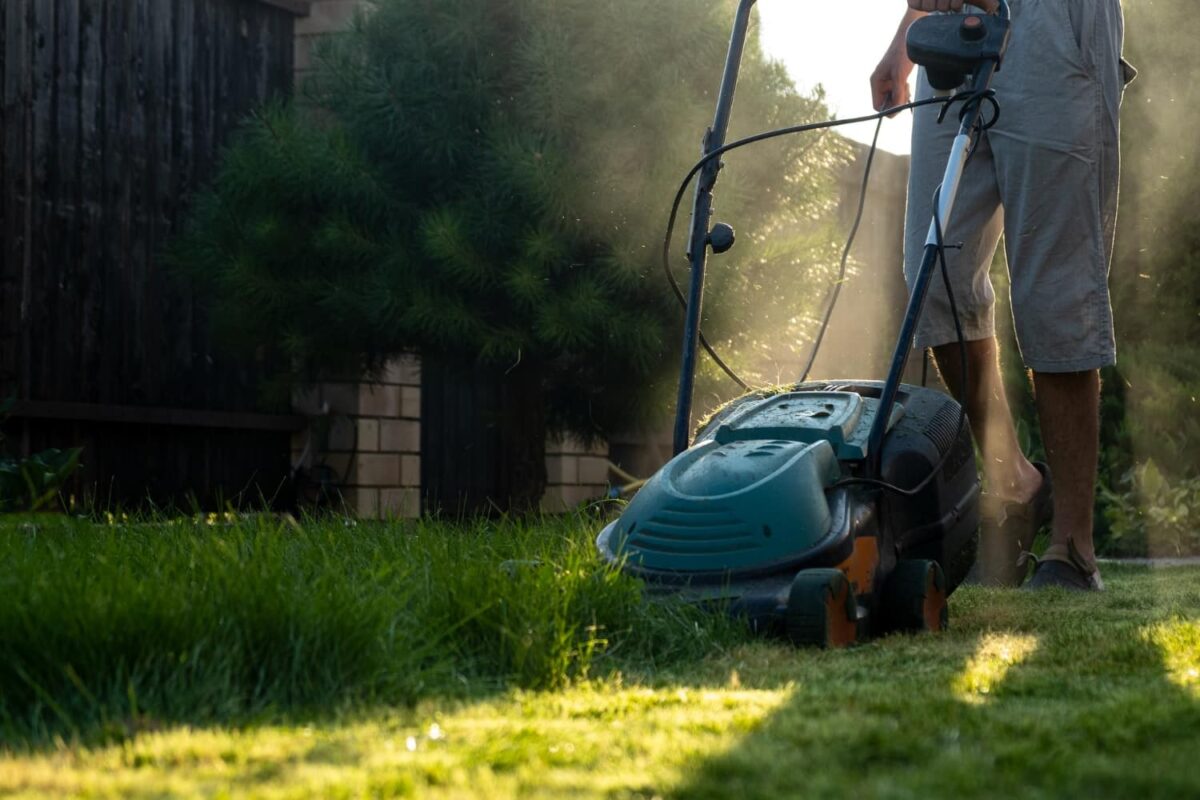
Regular mowing helps maintain an even appearance and supports healthy grass growth. However, cutting the grass too short can weaken it and expose more soil to direct sunlight. This can increase moisture loss and make it easier for weeds to grow.
Keep your grass at a suitable height for its variety. Tall fescue, which is common in North Carolina, generally grows well when maintained around 3 to 4 inches tall. Bermuda and zoysia grass have different mowing requirements, so the appropriate height depends on the type of grass in your yard.
Avoid removing more than one-third of the grass blade in a single mowing session. If the lawn becomes overgrown, gradually bring it back to the preferred height instead of cutting it too short at once. Keeping mower blades sharp also helps create cleaner cuts and reduces stress on the grass.
Mowing frequency depends on the season and how quickly your lawn grows. During periods of active growth, you may need to mow more often. When growth slows, adjust your schedule to avoid unnecessary mowing.
Water Your Lawn According to Its Needs
Proper watering helps grass maintain healthy growth, particularly during warm and dry weather. Watering too frequently with small amounts may encourage shallow roots, while suitable deep watering can help roots develop farther into the soil.
The amount of water your lawn needs depends on rainfall, soil type, temperature, sunlight, and grass variety. Check the weather before watering and look for signs of moisture stress. Grass that begins to wilt or retains footprints after being walked on may need water.
Early morning is generally a good time to water because less moisture is lost to evaporation, and the grass has time to dry during the day. Avoid watering automatically when rainfall has already provided enough moisture.
Drainage is another important factor. If water collects in certain areas or runs off before soaking into the soil, the problem may be related to compaction or uneven ground. Addressing the underlying issue can help improve growing conditions and prevent the lawn from staying too wet.
Provide the Right Nutrients
Fertilization can support grass growth, but applying too much fertilizer or using it at the wrong time can cause problems. Excessive fertilizer may encourage rapid top growth, increase mowing needs, and contribute to nutrient runoff.
A soil test can help determine whether your lawn needs additional nutrients. It can also identify soil pH concerns that may affect grass growth. Understanding the soil condition makes it easier to choose an appropriate fertilization plan.
Timing depends on the type of grass in your yard. Tall fescue generally grows most actively during cooler periods, particularly in fall, while Bermuda and zoysia grow more actively during warmer months. Applying fertilizer at the appropriate time helps support growth when the grass can make effective use of the nutrients.
Always follow the product label for application rates and timing. Avoid applying fertilizer before heavy rainfall, as nutrients may wash away from the lawn. A suitable fertilization routine can help maintain healthy growth without putting unnecessary stress on the grass.
Keep Weeds Under Control
Weeds compete with grass for sunlight, water, nutrients, and growing space. When weeds spread, they can make the lawn look uneven and leave less room for healthy grass to grow.
Regular mowing and proper lawn maintenance can help grass grow thick enough to limit the space available for weeds. However, weeds may still appear in thin areas or where the soil has been disturbed.
Identifying the weeds before choosing a treatment is important. Pre-emergent products can help prevent certain weeds from establishing, while post-emergent treatments target weeds that are already growing. The right option depends on the weed species, season, and type of grass.
Always follow product instructions to avoid damaging the lawn. If weeds continue to return, consider whether poor soil conditions, improper mowing, or thin grass may be contributing to the problem. Addressing these underlying issues can help reduce recurring weed growth.
Improve Soil Conditions
Healthy soil provides grass roots with the air, water, and nutrients they need. When soil becomes compacted, roots may struggle to grow, and water may have difficulty moving through the ground. This can leave the lawn looking thin even when regular maintenance is being performed.
Compaction often develops in areas with heavy foot traffic, including walkways, play areas, and frequently used parts of the yard. Hard soil and poor water absorption can be signs that the lawn may benefit from aeration.
Core aeration removes small plugs of soil to create openings that help air and water reach the root zone. The best time to aerate depends on the grass type. Tall fescue lawns are generally aerated during active fall growth, while warm-season grasses are typically aerated during active summer growth.
Aeration is not necessary for every lawn each year. Assessing soil conditions, foot traffic, and the overall health of the grass can help determine whether it is needed. When soil compaction is a problem, aeration can help create better conditions for root development.
Adjust Lawn Care With the Seasons
our lawn’s needs change throughout the year, so it is important to adjust maintenance as the weather changes.
During spring, check for winter damage, weeds, and bare patches. Begin mowing as the grass starts growing actively, and monitor soil moisture as temperatures rise. Addressing problems early can help prevent them from becoming more noticeable later.
Summer maintenance often focuses on heat and moisture management. Maintain the appropriate mowing height, check the soil before watering, and avoid putting unnecessary stress on grass during extremely hot or dry conditions.
Fall is an important growing period for tall fescue lawns in North Carolina. Cooler temperatures can provide favorable conditions for root development, aeration, and overseeding where needed. Before overseeding, check whether thin areas have underlying problems that should be addressed.
Recognize Lawn Problems Early
Checking your lawn regularly can help you identify problems before they spread. Look for changes in grass color, thinning areas, brown patches, and places where water collects.
These symptoms can have different causes. Yellowing grass may be related to nutrient deficiencies, excess moisture, or other growing conditions. Brown patches may result from drought stress, disease, or damage caused by mowing practices.
Instead of treating every problem the same way, examine the affected area and consider recent weather and maintenance activities. For example, thin grass near a walkway may be related to heavy foot traffic, while persistent wet spots may indicate drainage issues.
Keeping track of mowing, watering, and fertilization can also help you identify patterns. If the same problem keeps returning, reviewing your maintenance routine may help you determine what needs to change.

Maintain a Healthy Lawn Throughout the Growing Season
Need Help Maintaining Your Lawn?
Regular maintenance can make it easier to manage common lawn problems and keep your yard in good condition. If you have questions about your lawn or want to discuss your property’s maintenance needs, Contact Lawn Pro of the Carolinas to learn more about how we can help.