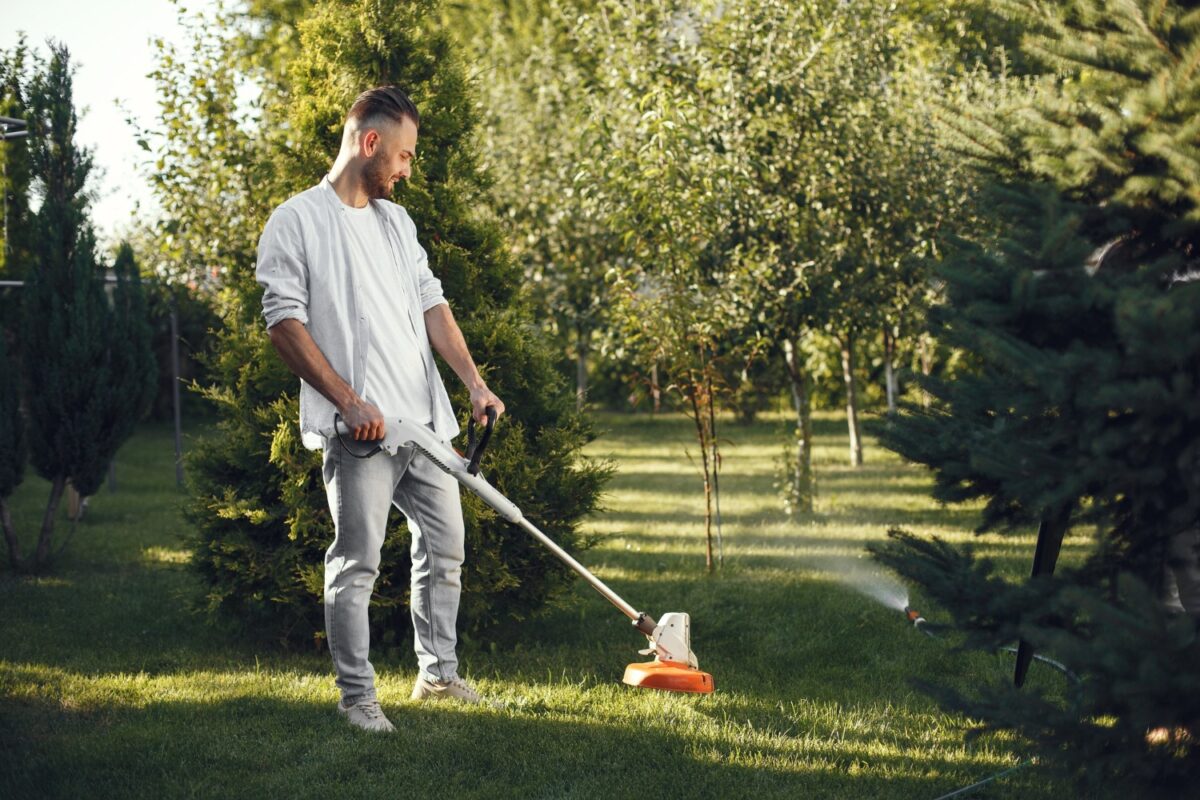

A well-designed landscape can do more than make your home look attractive. It can create a more comfortable outdoor space, improve the way you use your property, and make your yard easier to maintain throughout the year. But before choosing plants, adding a patio, or changing your lawn layout, it is important to think about how the entire space will work together.
Every property is different. The size of the yard, sunlight, soil, drainage, existing plants, and the way you use your outdoor space should all play a role in the design.
If you’re planning a landscape design for your home, here are seven things worth considering before getting started.
1. Think About How You Want to Use the Space
Start with how you and your family actually use your yard.
Do you want a comfortable area for relaxing? A space for outdoor meals? More room for children to play? Or perhaps a landscape that simply gives your home a cleaner and more welcoming appearance?
Knowing how you want to use the space makes it easier to decide what should be included in the design.
For example, a homeowner who enjoys entertaining may benefit from a patio or defined outdoor seating area. Someone who prefers a quiet backyard may want more planting areas, shade, and comfortable places to sit.
The design should fit your lifestyle rather than simply following a particular landscaping trend.
2. Consider the Size and Layout of Your Property
Before adding anything new, take a close look at the space you already have.
The size and shape of your yard will influence where plants, walkways, patios, lawn areas, and other landscape features can be placed. It is also important to consider existing structures such as the house, driveway, fencing, trees, and outdoor buildings.
A good landscape design should feel balanced. Adding too many features to a smaller yard can make the space feel crowded, while a large property may need different areas to make the landscape feel complete.
Planning the layout first can help you make better decisions about what belongs in each part of the yard.
3. Pay Attention to Sunlight and Shade
Not every part of your property receives the same amount of sunlight.
Some areas may receive full sun throughout much of the day, while others may remain shaded because of your home, trees, fences, or neighboring structures.
This matters when choosing plants.
Plants that require plenty of sunlight may struggle in heavily shaded areas, while shade-tolerant plants may not perform well in areas exposed to intense sunlight.
Before selecting plants, observe how sunlight moves across your property during the day. This simple step can help you choose plants that are better suited to their locations and reduce problems later.
4. Understand Your Soil and Drainage
Healthy landscaping starts with the conditions underneath it.
Soil quality can affect how well plants establish and grow. Drainage is also important because areas that stay excessively wet may create problems for certain plants, while areas that dry out quickly may require different choices.
Pay attention to places where water collects after rainfall. You should also look for areas where the soil appears hard, dry, or difficult to work with.
Addressing soil and drainage as part of the design can help create better growing conditions and prevent avoidable landscape problems.
A landscape should not only look good when it is first installed. The goal should be to create an outdoor space that continues to perform well over time.
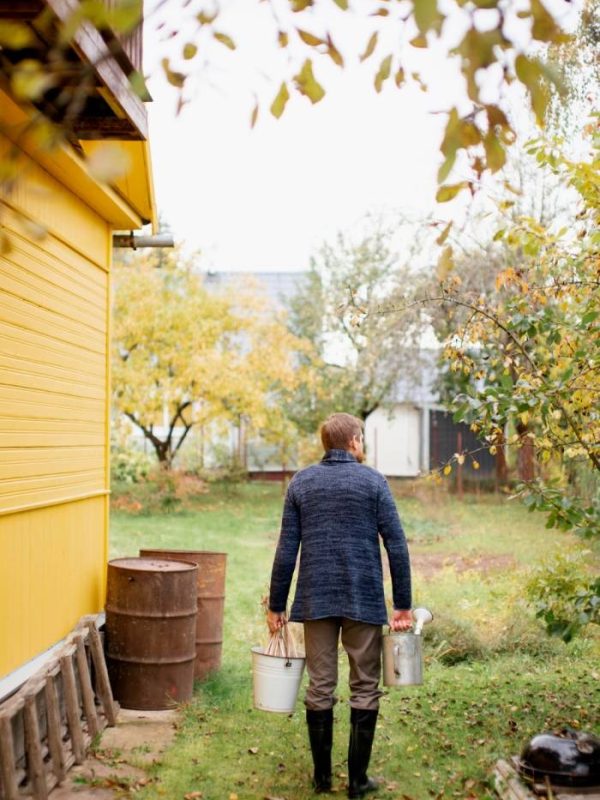
5. Choose Plants That Fit Your Property
Choosing plants based only on how they look at the garden center can lead to problems later.
Instead, consider the amount of sunlight, soil conditions, available space, and maintenance requirements before making your selections.
Think about how large plants will become when they mature. A small shrub may fit perfectly today but could eventually grow into a walkway, window, driveway, or other plant.
It is also helpful to think about how different plants will look throughout the seasons. A combination of trees, shrubs, flowers, and other plants can create more visual interest throughout the year.
The right plant choices can make your landscape feel natural while also making long-term maintenance more manageable.
6. Plan for Maintenance Before You Install
One of the most important questions to ask before starting a landscape project is: How much maintenance do you want to do?
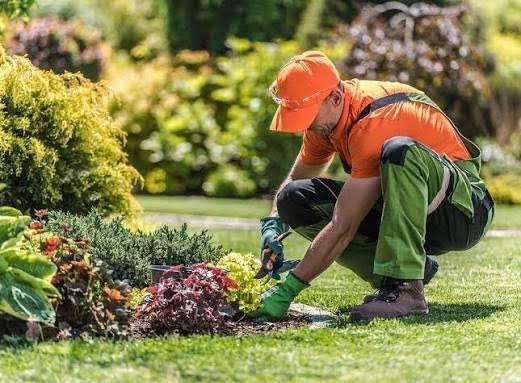
A landscape filled with plants, beds, decorative features, and other elements can look beautiful, but it will require ongoing attention.
Consider the time needed for mowing, pruning, trimming, weeding, watering, mulching, seasonal cleanup, and general upkeep.
If you prefer a landscape that requires less routine attention, the design can be planned with easier-to-maintain plants and practical layouts.
For homeowners who want professional help keeping their outdoor spaces looking their best, a Lawn Maintenance company in Mooresville can also provide ongoing care after the landscape has been established.
Planning for maintenance from the beginning can help prevent a landscape from becoming difficult to manage later.
7. Set a Realistic Budget
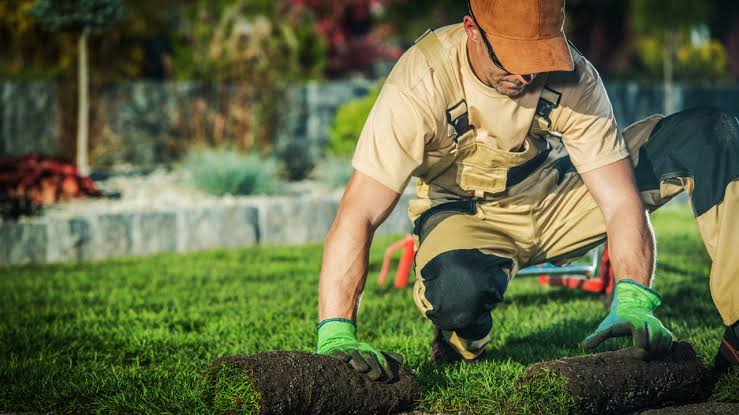
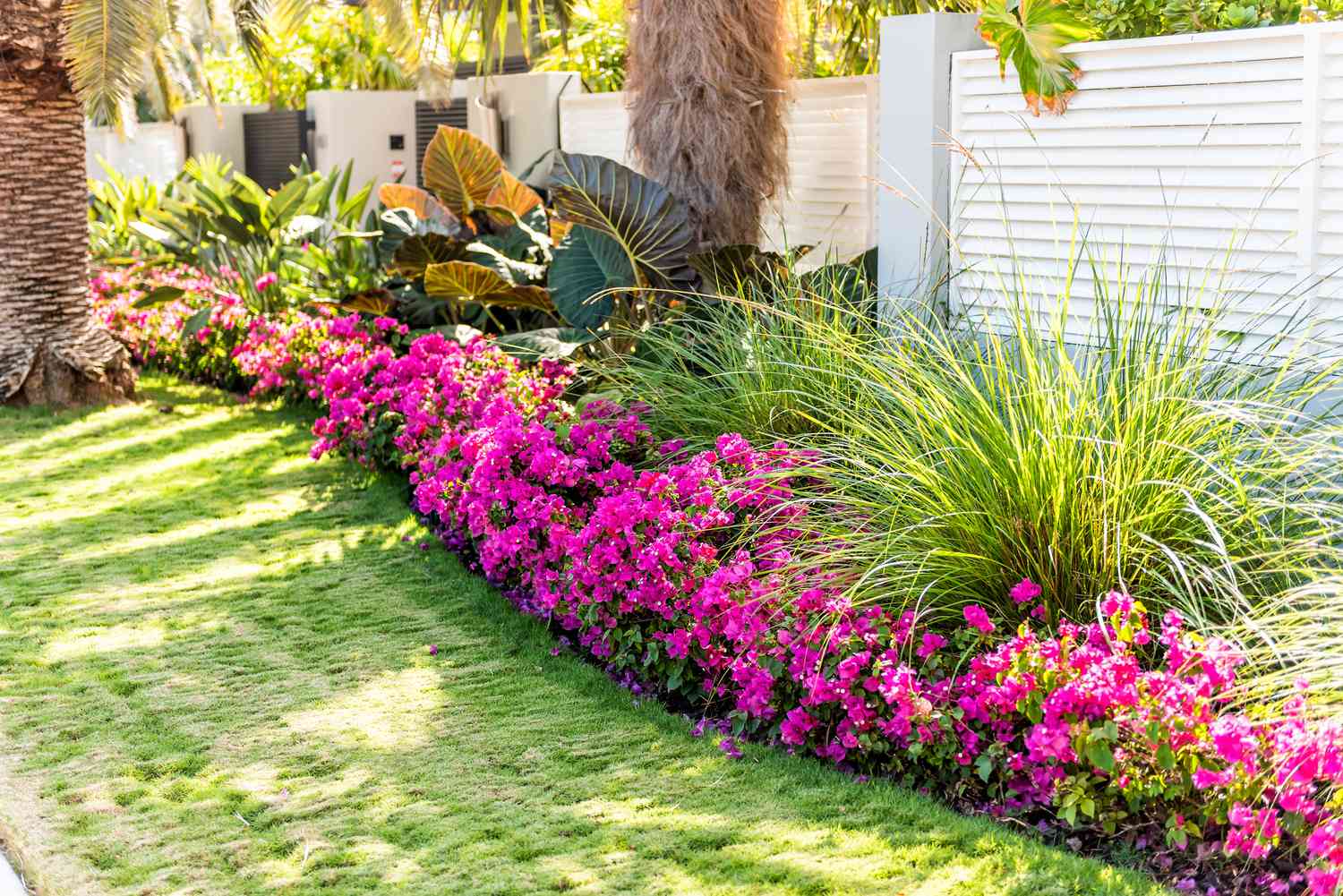
A landscape project should always have a clear budget before work begins.
The cost of a project can depend on the size of the property, plants, soil preparation, hardscaping, drainage improvements, installation, and other features included in the design.
Instead of trying to add everything at once, consider which improvements matter most to you.
You may want to start with the areas that have the biggest impact and add other features over time. A phased approach can make a larger landscape project easier to manage while still moving toward your overall vision.
Discussing your priorities early can also help create a design that works with both your property and your budget.
Bring Your Landscape Design Together
A successful landscape design is about more than choosing attractive plants. It is about creating an outdoor space that works with your home, property, lifestyle, and maintenance preferences.
Before starting your landscaping project, take time to consider how you use your yard, the available space, sunlight, soil, drainage, plant choices, maintenance needs, and budget.
A good landscape starts with a little planning. Before choosing plants or adding new features, take some time to look at your yard and think about how you want to use the space. The right layout can make your yard easier to enjoy and easier to maintain throughout the year.
Lawn Pro of the Carolinas helps homeowners bring their lawn and landscape ideas together with practical, thoughtful planning. Whether you’re updating one part of your yard or starting from scratch, taking the time to plan first can help you create an outdoor space that fits your home and works for you.