
Have weeds started showing up in more areas of your lawn than you expected? Maybe you noticed a few plants along the driveway, around the flower beds, or in a thin patch of grass. A few weeks later, those same weeds may seem to be spreading across the yard.
This is a common problem for homeowners in North Carolina. Changes in temperature, rainfall, soil conditions, mowing habits, and lawn stress can all create opportunities for weeds to establish. When grass becomes thin or weak, weeds can quickly take advantage of the open space.
The good news is that understanding why weeds are growing can help you take the right steps before the problem becomes harder to manage.
Why Are Weeds Taking Over Your Lawn?
Compacted Soil
Soil can become compacted from foot traffic, lawn equipment, heavy rainfall, or normal use over time. When this happens, grass roots may have less access to the air, water, and nutrients they need. Compacted soil can also make it harder for water to move properly through the root zone. If your lawn has thin growth even though you are maintaining it regularly, soil compaction may be part of the problem.Mowing Too Short
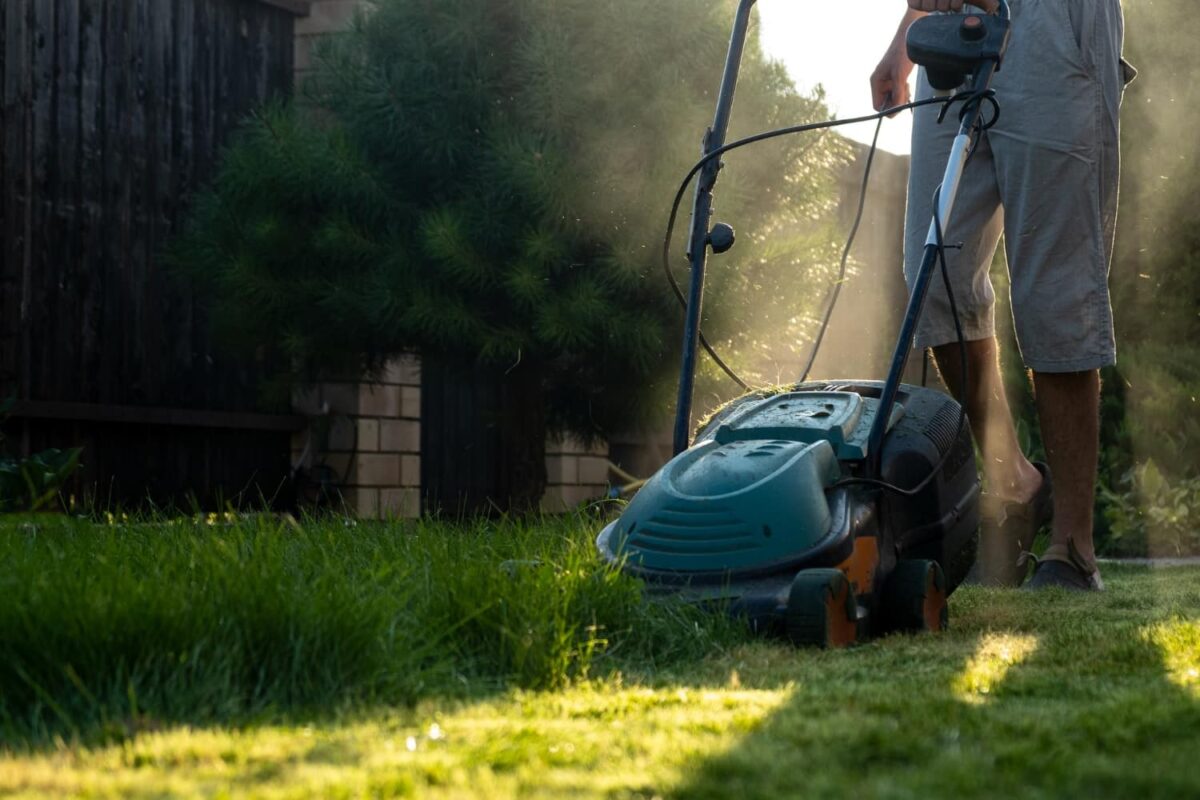
Cutting grass too short may seem like a way to make your lawn look neat for longer, but it can put unnecessary stress on the turf. Grass that is consistently cut too short may have less leaf surface available for healthy growth. It can also leave more sunlight reaching the soil, giving weed seeds better conditions to germinate. The right mowing height depends on your grass type, so avoid assuming that shorter is always better.Improper Watering
Both underwatering and overwatering can create problems. Grass that does not receive enough moisture can become stressed, while excessive watering may contribute to weak growth or create favorable conditions for certain weeds and lawn problems. Instead of watering lightly every day, focus on providing moisture according to your lawn’s needs, soil conditions, weather, and grass type.Thin or Damaged Grass
Weeds do not need much room to get started. Bare spots and thin areas caused by insects, disease, foot traffic, weather stress, or poor growing conditions can quickly become places where weeds establish. This is why treating weeds without addressing thin turf may only provide a temporary solution.Seasonal Changes in North Carolina
North Carolina lawns experience significant changes throughout the year. Warm temperatures, periods of heavy rainfall, summer heat, and seasonal transitions can all affect how grass and weeds grow. Different weeds also become active at different times of the year. Paying attention to when weeds appear can provide useful clues about what is happening in your lawn.Common Lawn Weeds You May See in North Carolina
Crabgrass
Crabgrass is a warm-season annual weed that can become noticeable as temperatures rise. It often takes advantage of thin or bare areas where turf is not growing densely enough to compete. Once crabgrass becomes established, it can spread across larger sections of the lawn. Maintaining thick, healthy turf and using appropriate preventive practices can help reduce the opportunity for it to take over.Dandelions
Dandelions are easy to recognize by their yellow flowers and long taproots. They are broadleaf weeds that can appear in lawns when growing conditions allow them to establish. Pulling the visible portion may not always solve the problem because part of the root can remain underground. If dandelions continue returning, it is worth looking at the overall condition of the lawn rather than simply removing individual plants.Clover
Clover typically appears in small patches and is easy to identify by its three-part leaves. It may become more noticeable in areas where turf is thin or struggling. If clover continues spreading, consider why those areas are not producing strong grass growth. Improving the conditions for your turf can be an important part of managing recurring weed problems.Nutsedge
Nutsedge stands out because it often grows faster and taller than the surrounding grass. It may appear in areas where the soil stays consistently moist or receives excess water. Because nutsedge can grow quickly during warm weather, a small number of plants can become noticeable in a short period of time. Simply mowing over it may not address the underlying issue.
Should You Pull Weeds or Treat Them?
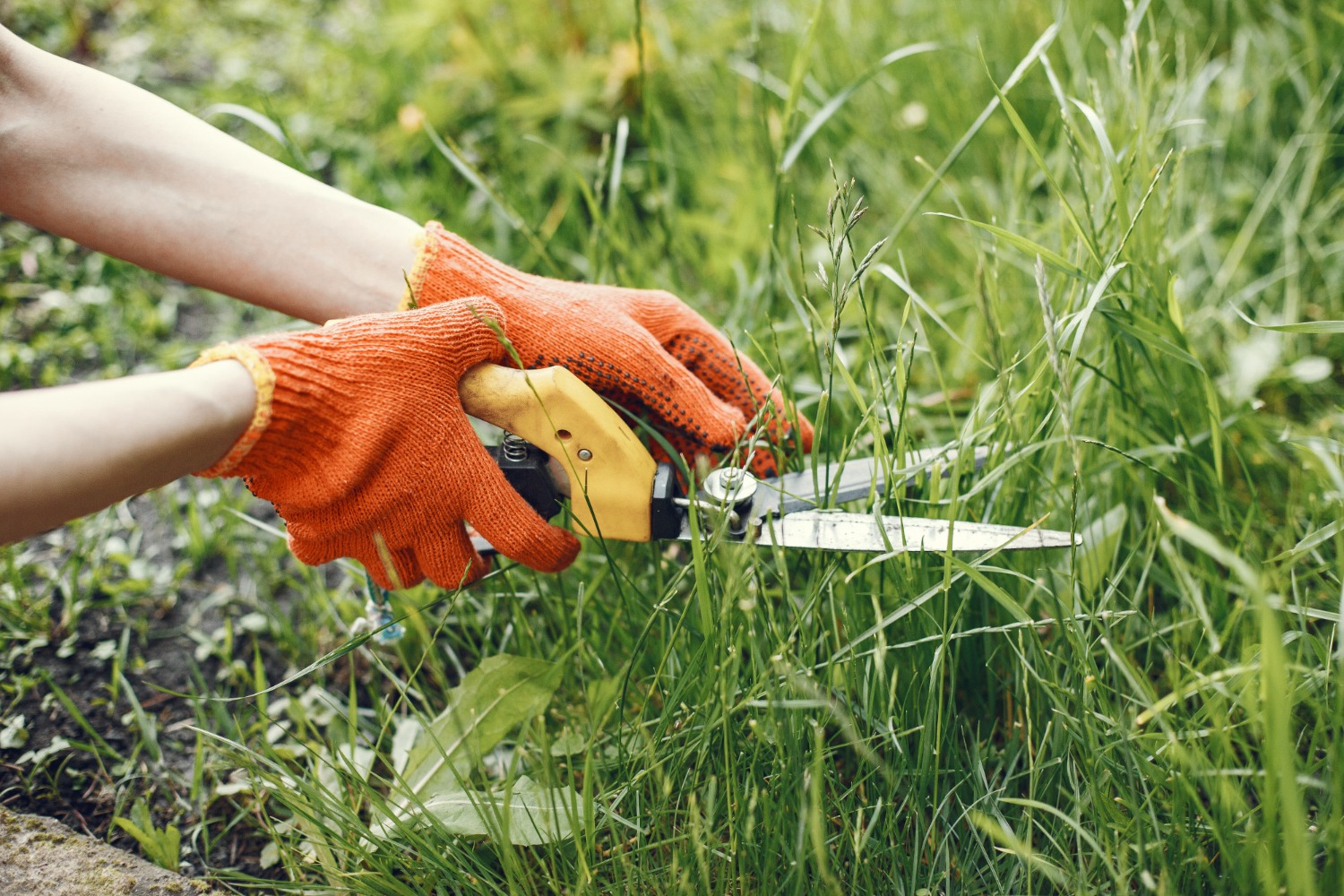
If you only have a handful of weeds, pulling them by hand may be enough. This can work particularly well when the plants are young and limited to a small area.
However, pulling weeds does not necessarily prevent them from returning.
If you keep seeing new weeds in the same areas, take a closer look at the lawn:
- Is the grass too thin?
- Is the soil compacted?
- Are you mowing too short?
- Are certain areas staying wet?
- Has the lawn experienced heavy foot traffic?
- Are there bare spots that need to be repaired?
Finding the reason behind the weed growth can be just as important as removing the weeds themselves.
When weeds have spread across a large portion of the lawn or you are dealing with several different types, professional weed control may be a better option. Proper identification matters because treatment can vary depending on the weed, grass type, and time of year.
How Can You Prevent Weeds From Taking Over?
The best defense against many lawn weeds is a healthy, actively growing lawn.
That does not mean weeds will never appear. Instead, strong turf gives weeds fewer opportunities to establish and spread.
A few basic practices can make a difference:
- Mow at the appropriate height for your grass type rather than cutting it extremely short.
- Water properly based on rainfall, soil conditions, grass type, and seasonal needs.
- Fertilize appropriately so your grass receives the nutrients it needs without unnecessary applications.
- Address compacted soil when it is limiting root growth or water movement.
- Repair bare and thin areas before weeds have an opportunity to fill them.
North Carolina lawns can contain different turfgrass types depending on the location and growing conditions. A lawn in the Troutman area may not have exactly the same needs as another lawn elsewhere in the state. Your grass type, soil, sunlight, drainage, and maintenance routine should all be considered when developing a lawn-care approach.
When Should You Get Professional Weed Control?
A few weeds are usually manageable. The problem becomes more concerning when they continue returning despite regular maintenance or begin spreading throughout the lawn.
Professional help may be worth considering if:
- Weeds are covering large areas of your lawn.
- You are seeing several different types of weeds.
- Weeds keep returning after you remove them.
- You are unsure which weeds you are dealing with.
- Your grass is becoming thinner as weeds spread.
- You suspect soil, drainage, or other lawn conditions are contributing to the problem.
A lawn professional can look beyond the visible weeds and evaluate the conditions that may be allowing them to grow. This can help you focus on improving the lawn rather than repeatedly dealing with the same symptoms.
For homeowners dealing with recurring weed problems in Troutman, working with a local Lawn Care Company in Troutman can also make it easier to develop a maintenance approach suited to local growing conditions.
Do Weeds Mean Your Lawn Is Unhealthy?
Not necessarily,
Seeing a few weeds does not automatically mean something is seriously wrong with your lawn. Even a well-maintained lawn can occasionally develop weeds.
The bigger concern is when weeds become widespread or repeatedly return in the same areas. That can indicate that the grass is struggling to compete because of factors such as compacted soil, improper mowing, moisture problems, thin turf, or seasonal stress.
Instead of focusing only on what is growing above the soil, consider what your lawn needs to grow more strongly.
Keep Weeds From Taking Over Your Lawn
Weeds can spread quickly when lawn conditions give them an opportunity to establish. But simply removing what you can see may not solve the problem if the underlying conditions remain unchanged.
A healthier lawn starts with the basics: proper mowing, appropriate watering, suitable fertilization, healthy soil, and attention to thin or bare areas. These practices can help your grass develop stronger growth and leave fewer opportunities for weeds to take over.
If weeds continue returning despite your best efforts, it may be time to have the lawn evaluated. Lawn Pro of the Carolinas provides practical lawn care and weed-control solutions designed to help homeowners maintain healthier turf throughout North Carolina.
If your lawn is becoming difficult to manage, Contact Us to learn more about your lawn-care options.